
Kukis Under Siege: State Failure, Targeted Violence, and the Collapse of Security in Manipur
Even more horrifying was the brutal killing of three Kuki pastors on the morning of 13 May 2026 at around 10:30 AM, writes Lian Suantak
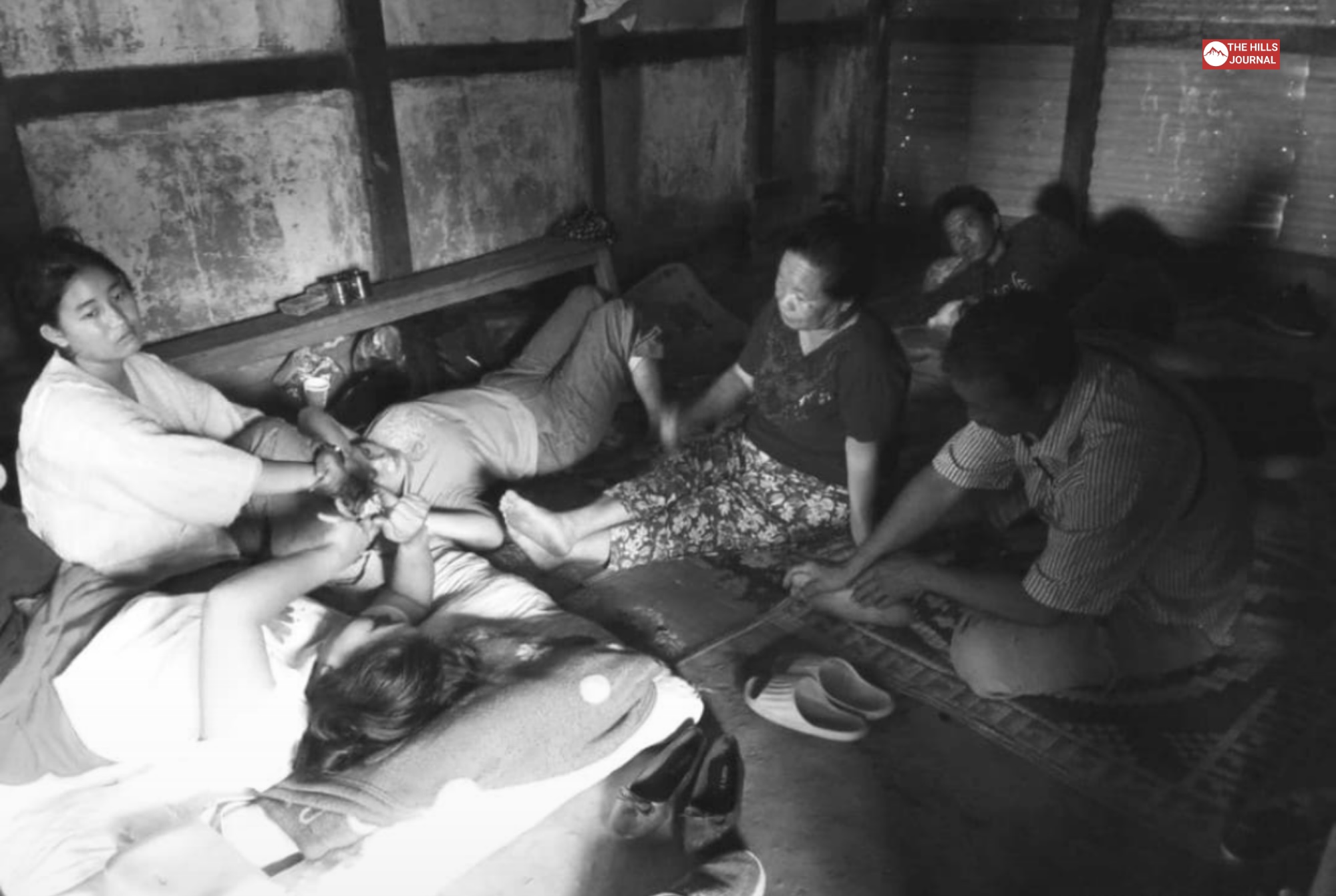
The continuing cycle of violence, abductions, intimidation, and killings in Manipur has once again exposed the alarming collapse of law and order in the hill districts. For the Kuki community, the events of 13 May 2026 are not isolated incidents, but part of a broader pattern of insecurity, fear, and perceived abandonment by the state machinery.
On 13 May 2026 at around 1:30 PM, reports emerged that 23 Kuki civilians from Taphou Kuki Village in Kangpokpidistrict were allegedly kidnapped from Senapati Petrol Pump, Rikhumai Taphou and from Phyamai Taphou, near Mt. Everest College Entrance gate, by members associated with the Senapati District Students’ Association. Following the incident, Shri Lenkhomang Chongloi, Chairman of TaphouKuki Village, submitted a written request to the Officer-in-Charge of Senapati Police Station seeking immediate registration of an FIR and urgent intervention to ensure the safety and release of the hostages.
However, according to local accounts, no meaningful or visible action has yet been taken. The silence and apparent inaction of the authorities raise disturbing questions. What concrete measures have been initiated by the state government to secure the safe release of these labourers? Have coordinated rescue operations been launched? Have those allegedly involved been identified and interrogated? Why has there been no transparent public assurance from the administration regarding the safety of the abducted persons?
The concerns deepen further in light of another reported incident involving the alleged abduction of six Kukis at IrengNaga Village by members of the Liangmai community. They too remain unreleased. Once again, the same troubling questions emerge: What steps have been taken by the state to secure their release? Why does there appear to be an absence of urgency when Kuki civilians are allegedly targeted?
Even more horrifying was the brutal killing of three Kuki pastors on the morning of 13 May 2026 at around 10:30 AM. The pastors were reportedly travelling from Churachandpur to Kangpokpi when they were ambushed and killed between Kotjim and Veitum/L. Khonomphai. Allegations have surfaced linking the attack to the ZUF (Kamson) group, which many in the region perceive as operating in close alignment with larger armed militant networks, allegedly NSCN-IM, and actively supported by its overground frontal organisation - the Foothills Naga Coordination Committee (FNCC).
The murder of unarmed religious leaders is not merely a criminal act; it is a direct assault on humanity, peace, and the sanctity of civilian life. Such an incident reflects a severe failure of the security apparatus. It raises urgent concerns regarding the effectiveness of the Indian state and the Manipur government in enforcing law and order and curbing the free movement of armed anti-social elements operating across vulnerable regions.
The inability of the state to prevent repeated attacks creates a dangerous perception among ordinary citizens: that they are left to fend for themselves. When people begin to lose faith in the ability of the government to protect life and property, social order itself begins to erode. Communities begin to feel abandoned, isolated, and exposed.
Particularly disturbing are reports that Kuki philanthropic organisations attempting to reach the site of the attack to provide medical assistance to the injured and transport the bodies of the deceased were allegedly stopped for more than two hours at Makhan by the Liangmei villagers. In moments of humanitarian tragedy, obstructing relief and recovery efforts only deepens mistrust and communal division.
These incidents do not stand alone. The recent months have seen repeated reports of intimidation, attacks, and atrocities against Kuki villages and civilians in Ukhrul district as well. Villagers have repeatedly voiced concerns regarding insecurity, threats, restricted movement, and the absence of adequate state protection in vulnerable areas. The cumulative effect of these incidents has created an atmosphere of fear and uncertainty among ordinary Kuki civilians.
The growing frustration within the community stems not only from the violence itself, but from the apparent inability—or unwillingness—of the authorities to respond effectively and impartially. Why do such incidents continue to occur despite the heavy presence of security forces in the region? Why are vulnerable civilians repeatedly exposed to danger without preventive intervention?
The roles and effectiveness of the District Magistrates and Superintendents of Police of Kangpokpi and Ukhrul districts must also come under serious public scrutiny. These offices exist to uphold law and order, protect citizens, prevent escalation of violence, and ensure equal protection under the law. Yet the prevailing situation raises legitimate questions about whether these responsibilities are being discharged effectively.
If civilians can allegedly be kidnapped in broad daylight, if religious leaders can allegedly be ambushed and killed on public routes, and if vulnerable communities continue to live under fear without visible state protection, then public confidence in the administrative and policing system inevitably deteriorates.
The Kukis also deserve governance rooted in justice, accountability, and equal protection. The state cannot afford selective urgency when lives of Nagas and Meiteis are involved, and silence, or delayed action when Kukis lives are at stake. Every citizen, irrespective of ethnicity or community, deserves security, dignity, and the assurance that the rule of law will prevail.
The government of Manipur and the Government of India must urgently demonstrate through concrete action—not mere statements—that the lives of Kuki civilians equally matter. Immediate efforts must be undertaken to secure the safe release of those abducted Kuki civilians, conduct impartial investigations into the killings and abductions, ensure accountability for perpetrators, and restore public confidence in the institutions responsible for maintaining peace and security.
Without credible action, the sense of alienation and mistrust among the Kuki communities will only deepen further, pushing the region into an even more fragile and dangerous situation.
(Views expressed are personal)
Disclaimer: At the time of submission of this article, the hostages had not yet been released. Some hostages have now been freed.


The Hills Journal
K. Salbung, Churachandpur
Manipur-795128