
Kuki Inpi Manipur Rejects NSCN-IM Mouthpiece ‘Nagalim Voice’ Allegations
KIM alleged that NSCN-IM lacked the moral authority to speak on indigenous rights while continuing to lay claim to territories inhabited by multiple ethnic communities.
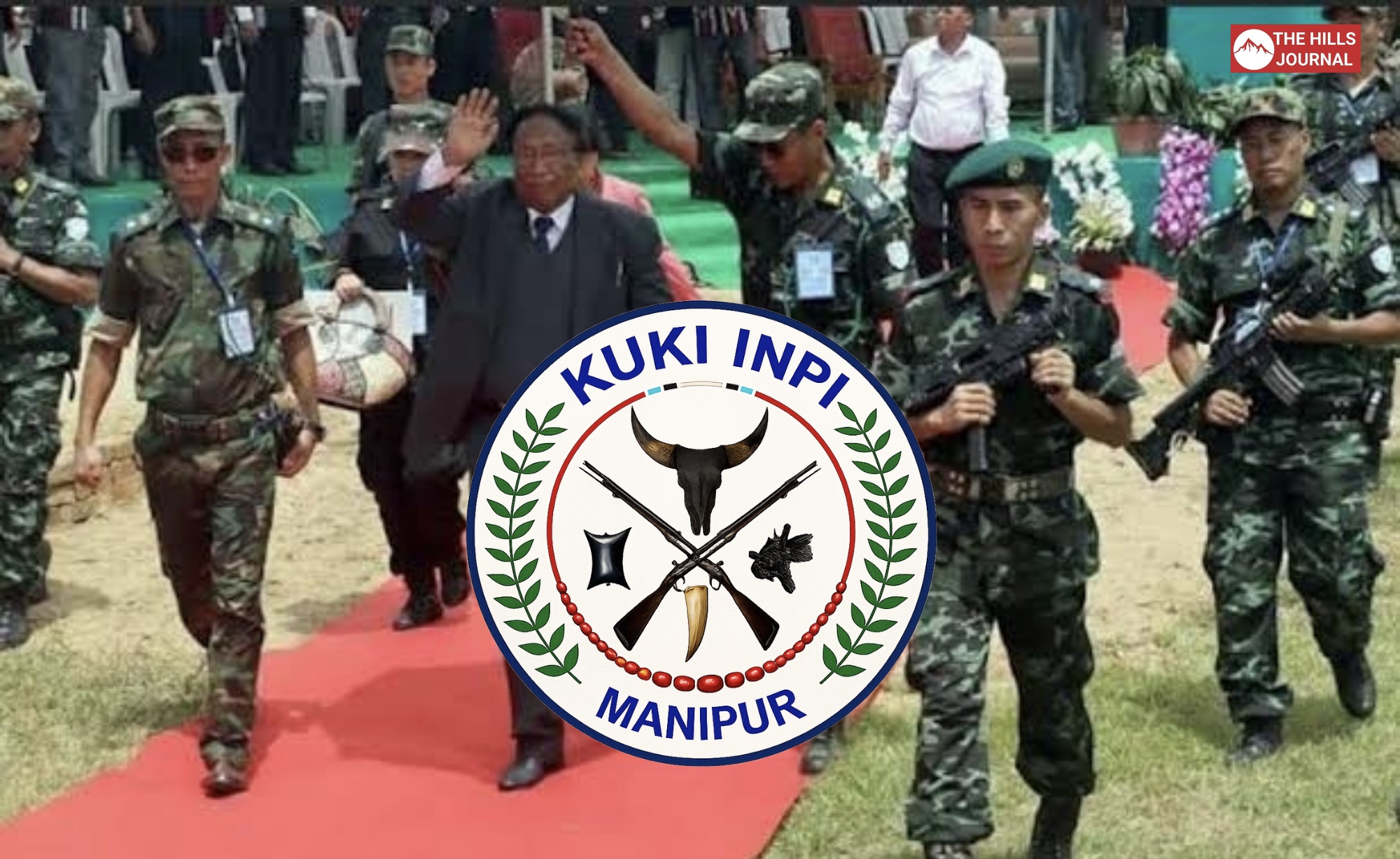
The Kuki Inpi Manipur (KIM) has strongly rejected allegations made by Nagalim Voice, a publication associated with the NSCN-IM, which accused the Government of India of using Kuki groups to wage a “shadow war” against the Naga movement.
In a statement issued on Wednesday, KIM described the allegations as “baseless and inflammatory,” asserting that they were an attempt by NSCN-IM to divert attention from what it termed the outfit’s “long and documented history” of armed intimidation, extortion, territorial expansionism, and violence against communities opposed to its political agenda.
KIM alleged that NSCN-IM lacked the moral authority to speak on indigenous rights while continuing to lay claim to territories inhabited by multiple ethnic communities. The organisation said repeated attempts to portray disputed areas as exclusive Naga ancestral land ignored historical realities and the existence of other indigenous groups that have lived in the region for generations.
The statement also accused NSCN-IM sympathisers of hypocrisy, claiming they projected themselves as advocates of peace and Christianity while remaining silent on alleged atrocities committed against Kukis and other critics of the organisation. KIM said invoking Christian values while justifying violence, intimidation, defamation, and ethnic hostility was contradictory.
Calling for stronger action from the Centre, KIM urged the Government of India to enhance border management and security mechanisms to curb the alleged movement of NSCN-IM cadres and its Eastern Flank from Myanmar into Manipur’s Ukhrul and Kamjong districts. The organisation alleged that insurgent groups had exploited porous borders for decades to move personnel, weapons, and logistics networks across international boundaries, thereby undermining law and order and destabilising local communities.
KIM further claimed that continued inaction had enabled armed groups to evade accountability, sustain extortion networks, and perpetuate insecurity in the region. It said the people deserved peace, development, and the rule of law rather than prolonged conflict driven by competing armed organisations.
Rejecting the allegation that Kuki groups were acting as proxies of New Delhi, KIM maintained that Kuki political aspirations and demands stemmed from the lived experiences and grievances of the Kuki people and could not be dismissed as products of external influence.
The organisation also urged NSCN-IM to abandon what it described as exclusivist territorial claims, acknowledge the rights and histories of other communities, and engage in dialogue based on mutual respect. KIM further accused NSCN-IM of previously using images of beheaded Kukis to support refugee-related claims before international bodies, alleging that such claims had been rejected.
“The future of the hills cannot be built on revisionist history, threats, or propaganda. It must be built on truth, accountability, coexistence, and respect for all indigenous communities,” the statement concluded.


The Hills Journal
K. Salbung, Churachandpur
Manipur-795128