KSO Delhi & NCR National Conference Explores Reimagining Kuki Society in the 21st Century
The conference featured six technical sessions over two days, covering digitalisation, indigenous knowledge, history and identity, gender and social structures, Kuki politics, and economy and environment.
By Jerry Siemlenmang Khongsai — On August 16, 2026
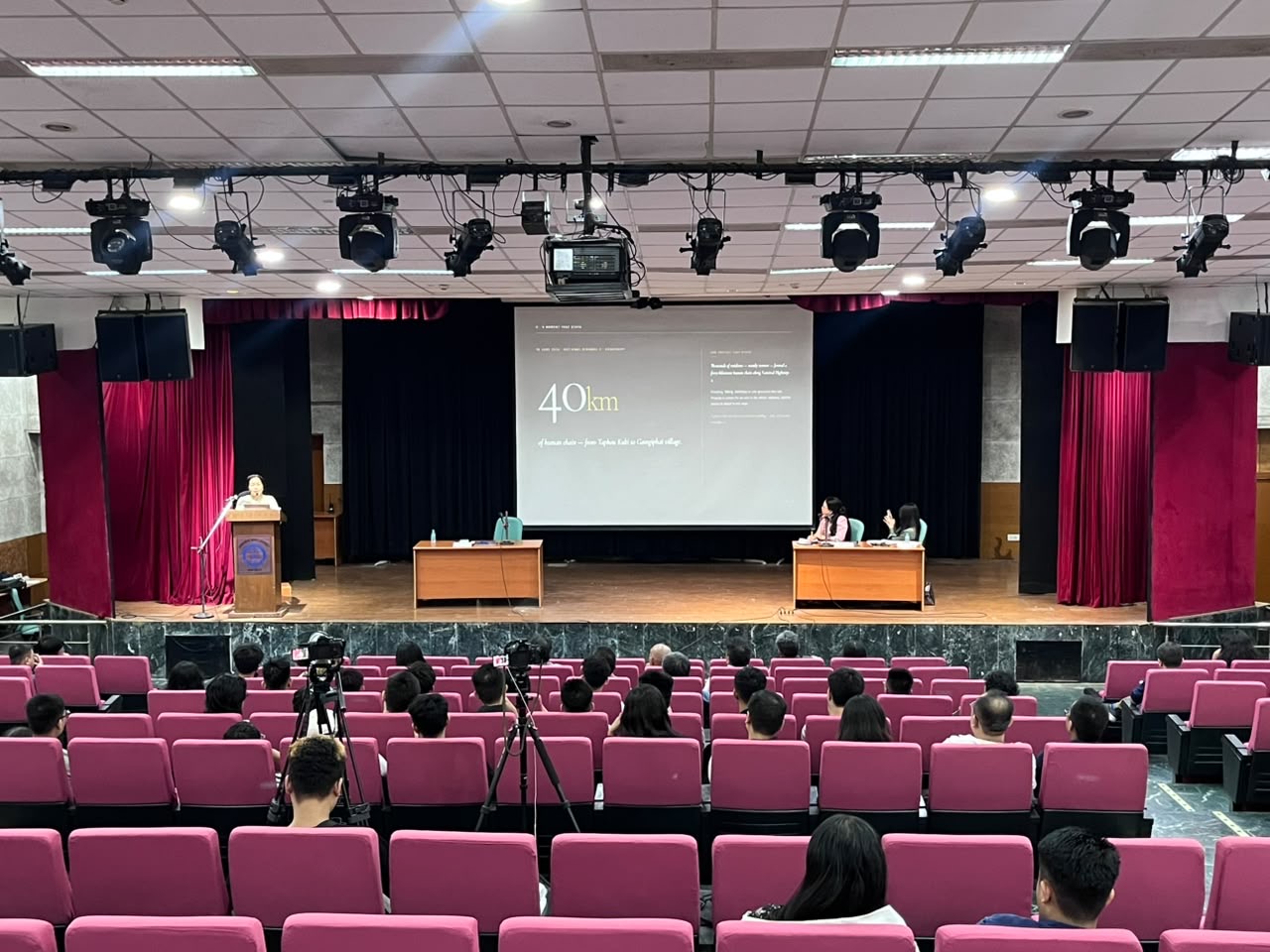
A two-day national conference organised by the Kuki Students’ Organisation (KSO) Delhi & NCR on the theme “Reimagining Society in the 21st Century” concluded on August 14, bringing together academic scholars, professionals and participants from across the country to deliberate on the challenges and future of Kuki society.
The conference featured six technical sessions over two days, covering digitalisation, indigenous knowledge, history and identity, gender and social structures, Kuki politics, and economy and environment.
The first technical session was led by Dr. Lalminthang Kipgen of NCERT, New Delhi, along with Ms. Gabriela Chongloi, who presented on “Digital Era and the Kukis: Digital Literacy, Access, Activism, Documentation & Social Media.”
The session examined the growing impact of artificial intelligence and digital technologies on contemporary society and their implications for Kuki political movements. Discussions also focused on digital literacy, documentation and social media activism, with participants raising questions about the extent to which Kuki society has effectively utilised modern digital platforms to strengthen its ideas and advance its causes.
The second session featured Dr. Jangkholam Haokip, President of Bethesda Khankho Foundation, and Dr. Paul Paolen Haokip of Caleb Institute, Haryana, who spoke on “Indigenous and Knowledge Practices.”
The speakers highlighted the importance of religious beliefs, indigenous knowledge and traditional practices in shaping and sustaining collective movements. They also reflected on the changing relationship of the younger generation with traditional beliefs and practices and how such changes could affect the broader social and cultural direction of Kuki society.
The third session of the first day was led by Dr. D. Letkhojam Haokip of Gauhati University and Prof. Pauthang Haokip of Jawaharlal Nehru University (JNU), New Delhi, who addressed “Historiography, Identity, Language, Memory and Literature.”
The session explored the role of history, language, literature and collective memory in shaping Kuki identity and understanding the community’s past and present.
On the second day, Dr. Hoineilhing Sitlhou of the University of Hyderabad presented on “Gender and Social Structures: Traditions and Institutions, Social Practices, Gender Roles & Spaces, and Intersectionality.”
The session was followed by discussions with participants on the influence of Kuki traditions and cultural practices on gender relations, including how societal norms shape perceptions of women and their roles within the community.
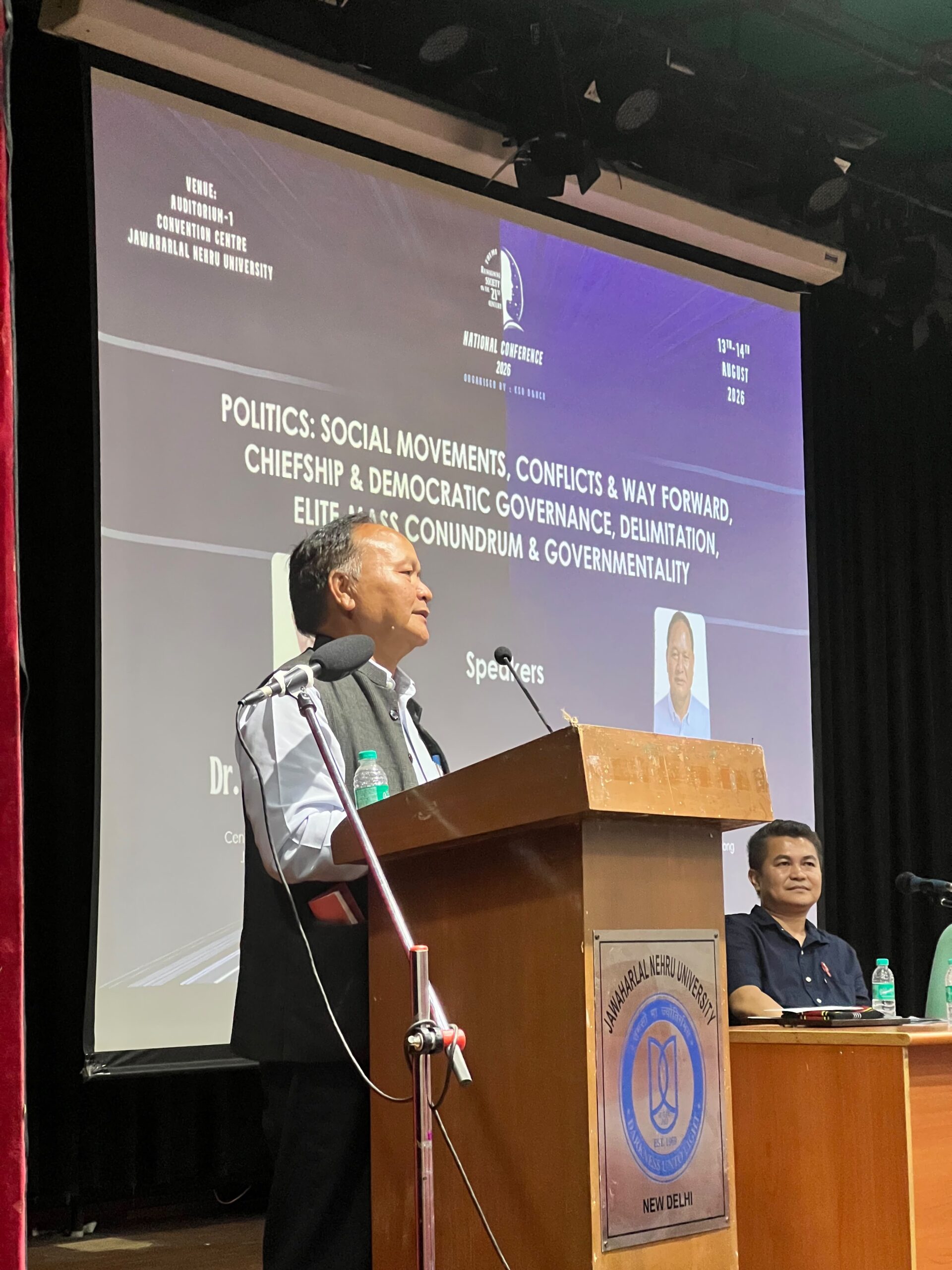
The second session of the day featured Prof. T.T. Haokip of North-Eastern Hill University (NEHU) and Dr. Thongkholal Haokip of the University of Delhi, who presented on “Kuki Politics: Social Movements, Conflicts & Way Forward, Chiefship & Democratic Governance, Delimitation, Elite-Mass Conundrum & Governmentality.”
The session examined the evolution of Kuki politics, the progress and challenges of social and political movements, and possible pathways forward. The speakers also drew from their experiences and observations of Kuki society, generating considerable interest and participation from the audience.
The final technical session was led by Dr. Lalsanglen Haokip of the University of Delhi, who presented on “Economy & Environment: Agriculture, Land Use & Forestry.”
Discussions focused on government policies relating to land reforms in areas inhabited by members of the Kuki community, as well as traditional land-ownership systems. The session also examined how customary land systems influence relationships between communities, individuals and other stakeholders.
The organisers said the conference received an encouraging response, reflected in the participation and feedback from attendees.
The two-day conference provided a platform for scholars, professionals and members of the Kuki community to engage with contemporary social, political, cultural and economic issues while exploring possible approaches to reimagining Kuki society in the 21st century.
A non-profit citizens watchdog of the media which believes in "public enlightenment" as the forerunner of justice and the foundation of democratic principles.