
Sahnit Ni Stained Red as Four Kukis Killed in Twin Attacks on Black Day
Local sources alleged that armed cadres of the NSCN-IM and ZUF-K were involved in the Longpi attack.
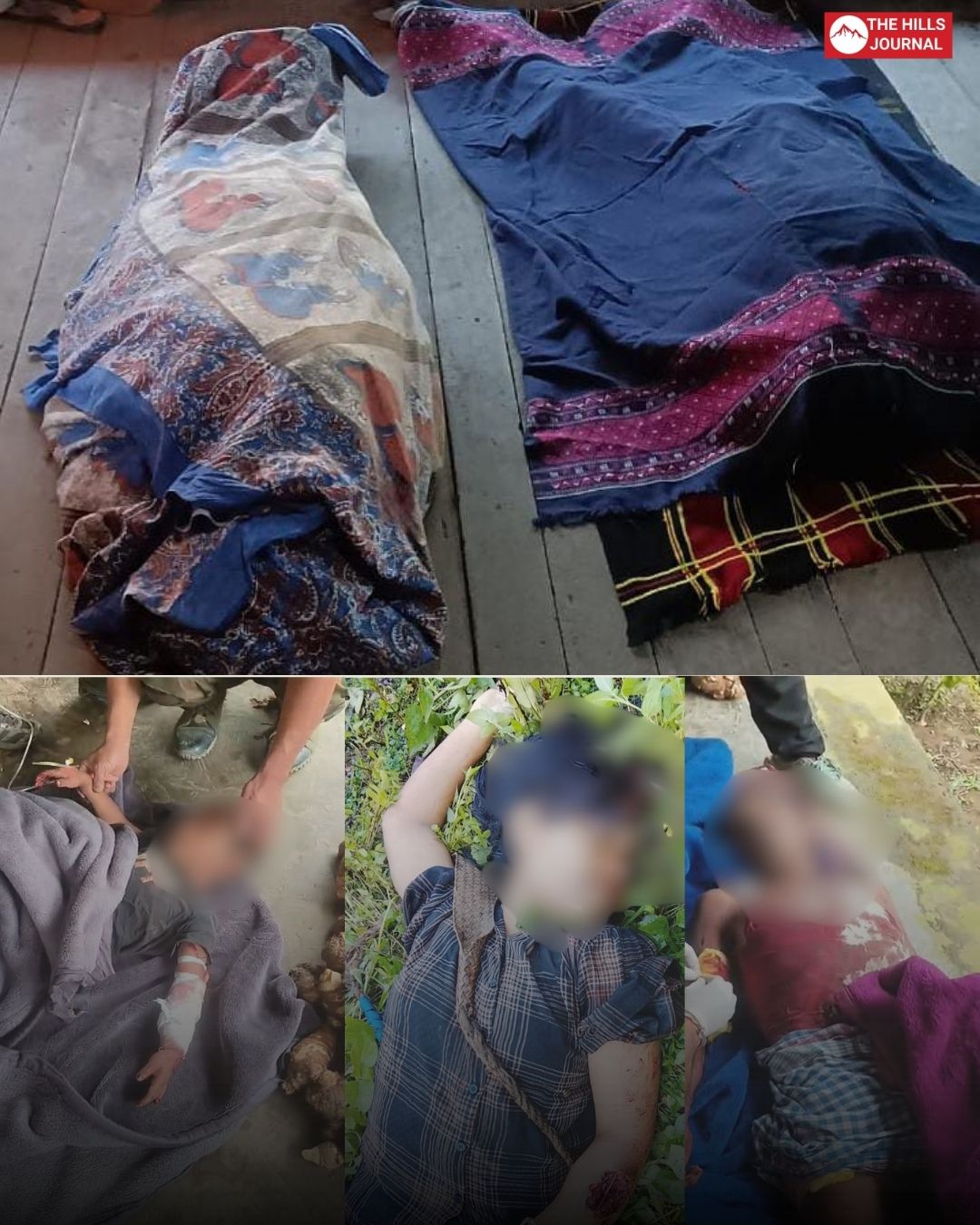
The Kuki-Zo community's solemn Sahnit Ni (Black Day) observance was stained by fresh bloodshed on Sunday as four people were killed, including a couple, and a minor boy critically wounded in two separate attacks in Tamenglong and Noney district, according to local sources.
The twin attacks, reported hours apart, turned a day dedicated to mourning loved ones killed in past violence into one of renewed grief, anger and fear, as remote Kuki-Zo settlements came under alleged attacks by armed militants.
In the first attack, suspected NSCN-IM and Naga Village Guards armed cadres allegedly stormed a house at Tollen village at around 4 am, killing a woman identified as Lhingzangai and her husband, Seineh, who later succumbed to his bullet injuries in a hospital, and critically injuring their minor son, local sources said.
The couple's three children were briefly unaccounted for following the attack but were later located. Their youngest son sustained a gunshot wound to his arm and a bullet was reportedly lodged in his buttocks.
Villagers alleged that cadres of the NSCN-IM and Naga Village Guards were behind the Tollen attack.
Barely hours later, another deadly attack was reported at Longpi Kuki village in Noney District at around 3.20 pm, where two more people were allegedly killed.
The victims were identified as Thangvel Gangte, a man, and Julie Gangte, a woman, both residents of Sempat village, according to local sources.
Another woman was reportedly missing following the Longpi attack. Her identity and whereabouts could not immediately be ascertained.
Local sources alleged that armed cadres of the NSCN-IM and ZUF-K were involved in the Longpi attack.
With the two fresh killings at Longpi, the death toll from the day's reported violence has risen to four, while the minor survivor from the Tollen attack remains critically wounded.
The killings have cast an especially grim shadow over Sahnit Ni, observed by the Kuki-Zo community every September 13 to remember victims of the violent Kuki-Naga conflict of the 1990s.
September 13 carries deep emotional significance for the community, with Kuki-Zo families and villages observing the day through mourning, prayers and remembrance of those who lost their lives.
But this year's observance has been transformed into another day of mourning after fresh violence claimed four lives.
The coincidence has intensified anguish among Kuki-Zo villagers, who see the latest killings as a chilling reminder that the wounds associated with the violence of the past remain unhealed.
Tollen and Longpi are remote hill settlements where difficult terrain, poor road connectivity and limited access to medical facilities can make emergency evacuation particularly challenging.
The fresh killings have nevertheless left the Kuki-Zo community confronting a deeply painful irony: a day set aside to mourn those killed in the past has itself been marked by fresh graves and bloodshed.



The Hills Journal
K. Salbung, Churachandpur
Manipur-795128