
Two Among 14 Freed Kuki-Zo Hostages Undergo Treatment for PTSD
Family members say the two men returned home as shadows of their former selves.
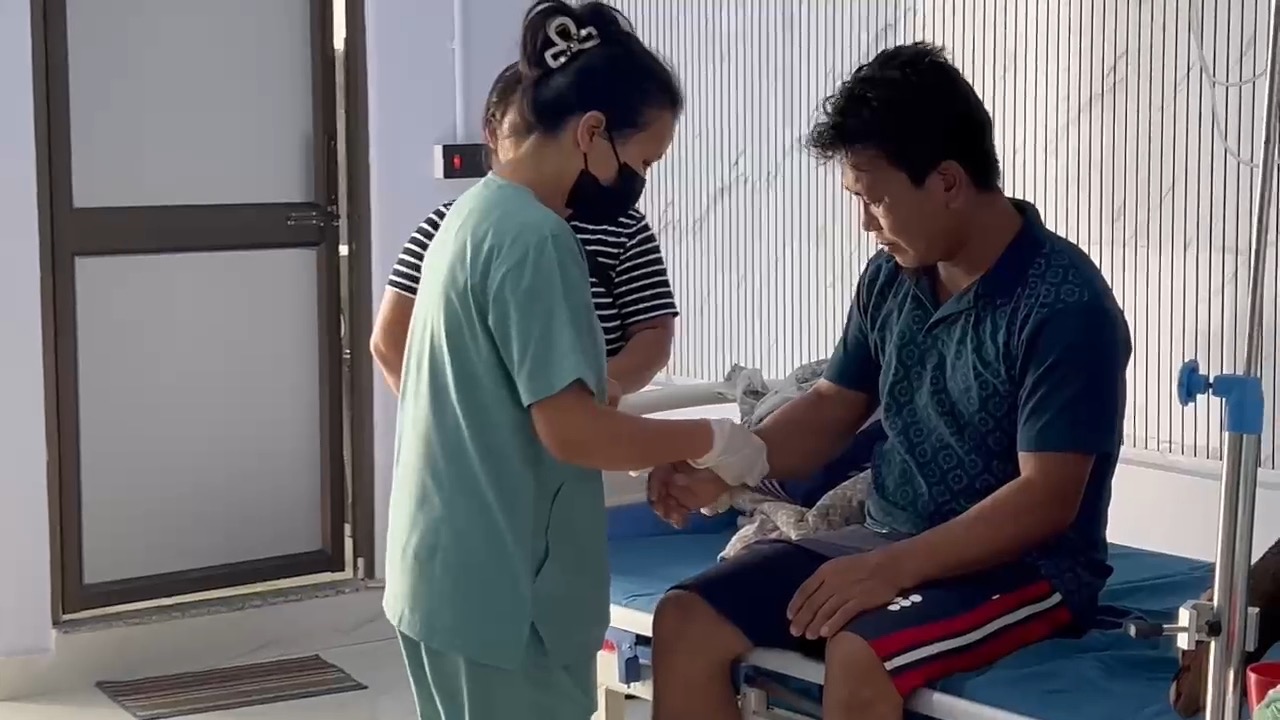
Freedom did not bring an immediate end to the suffering of the 14 Kuki-Zo hostages released after 27 days in captivity. While their return home was celebrated as a humanitarian breakthrough, for at least two of the survivors the ordeal has continued in hospital wards, where they are battling the physical exhaustion and psychological trauma left behind by their captivity.
A day after their release on June 9, Thangtinlen Chongloi (34) of Taphou Kuki Village and Haominlun Kipgen (27) of Hengbung Village were admitted to Kangpokpi District Hospital at around 12:30 pm on June 10 with trauma-related disorders, anxiety, insomnia and symptoms consistent with Post-Traumatic Stress Disorder (PTSD).
Later that afternoon, both men were referred to Emmanuel Multi Speciality Hospital, Keithelmanbi, for further treatment and specialised medical care.
Family members say the two men returned home as shadows of their former selves.
According to Thangtinlen's wife, Kimneithem Chongloi, her husband appeared completely changed after his release.
"He was not the same person who left home. He hardly spoke, barely ate and could not sleep properly. He would suddenly wake up from sleep, frightened, saying someone was opening the door. He is not normal, so we decided to take him to the hospital," she said.
Haominlun's sister, Thethem, recounted a similar experience.

"Haominlun is usually active, healthy and very talkative. He always jokes with people. But when he came back, he was completely different. He remained silent, rarely spoke, and would suddenly become frightened. He could not sleep properly," she said.
Their condition paints a troubling picture of men struggling with the psychological aftermath of prolonged captivity even after regaining their freedom.
Their Medical records show that Thangtinlen was diagnosed with Mild PTSD, accompanied by severe lethargy, persistent fatigue and insomnia. Doctors recorded anxiety-related symptoms and prescribed medication aimed at stabilising his mental condition and helping him recover from trauma-induced distress.
Medical records relating to Haominlun similarly indicate PTSD-related symptoms. Doctors noted complaints of numbness in the lower limbs in addition to psychological distress. He was advised a series of investigations, including spinal imaging and neurological assessment, suggesting concerns extending beyond emotional trauma alone.
The records further show that both were administered anti-anxiety medication and supportive treatment while doctors monitored elevated blood pressure levels commonly associated with acute stress and prolonged psychological strain.
Thangtinlen was discharged from hospital on June 12 with strict medical advice and follow-up care instructions. Haominlun, however, remains under treatment.
Medical experts describe PTSD as a condition that can develop after exposure to life-threatening situations, prolonged confinement, violence or extreme fear. Symptoms often include recurring distress, insomnia, hypervigilance, anxiety, emotional instability and persistent psychological suffering long after the traumatic event has ended.
While the release of the 14 hostages brought relief to their families and communities, the medical records underscore a harsher reality: captivity may have ended, but its consequences have not.
For families, the return of their loved ones marked the end of a desperate wait. For the survivors themselves, however, the battle appears to have shifted from physical captivity to recovery from the invisible wounds left behind by trauma.
The cases of Thangtinlen Chongloi and Haominlun Kipgen serve as a stark reminder that hostage crises do not end at the moment of release, and that the psychological scars of captivity can continue to haunt survivors long after they return home.


The Hills Journal
K. Salbung, Churachandpur
Manipur-795128