The United People's Front (UPF) and Kuki National Organisation (KNO) have issued a strong condemnation of a series of unruly incidents that occurred in Lamka town during and after the maiden visit of the Prime Minister on September 13, 2025.
In a press statement released jointly by the Information & Publicity Wings of the UPF and KNO, the groups denounced what they described as “juvenile behaviour” displayed by certain individuals in the town. The disturbances began on the eve of the PM’s visit, when welcome decorations at Pearsonmun, located on NH-02, Tipaimukh Road—just 2 km from the town's police station—were vandalized by a group of youths.
Authorities swiftly arrested several individuals involved, in accordance with the law. However, the situation escalated the following day when a mob attacked the police station in an apparent attempt to secure the release of those detained. The confrontation led to stone pelting at Central Armed Police Forces (CAPF) and disrupted public order, causing widespread dismay among local residents and netizens alike.
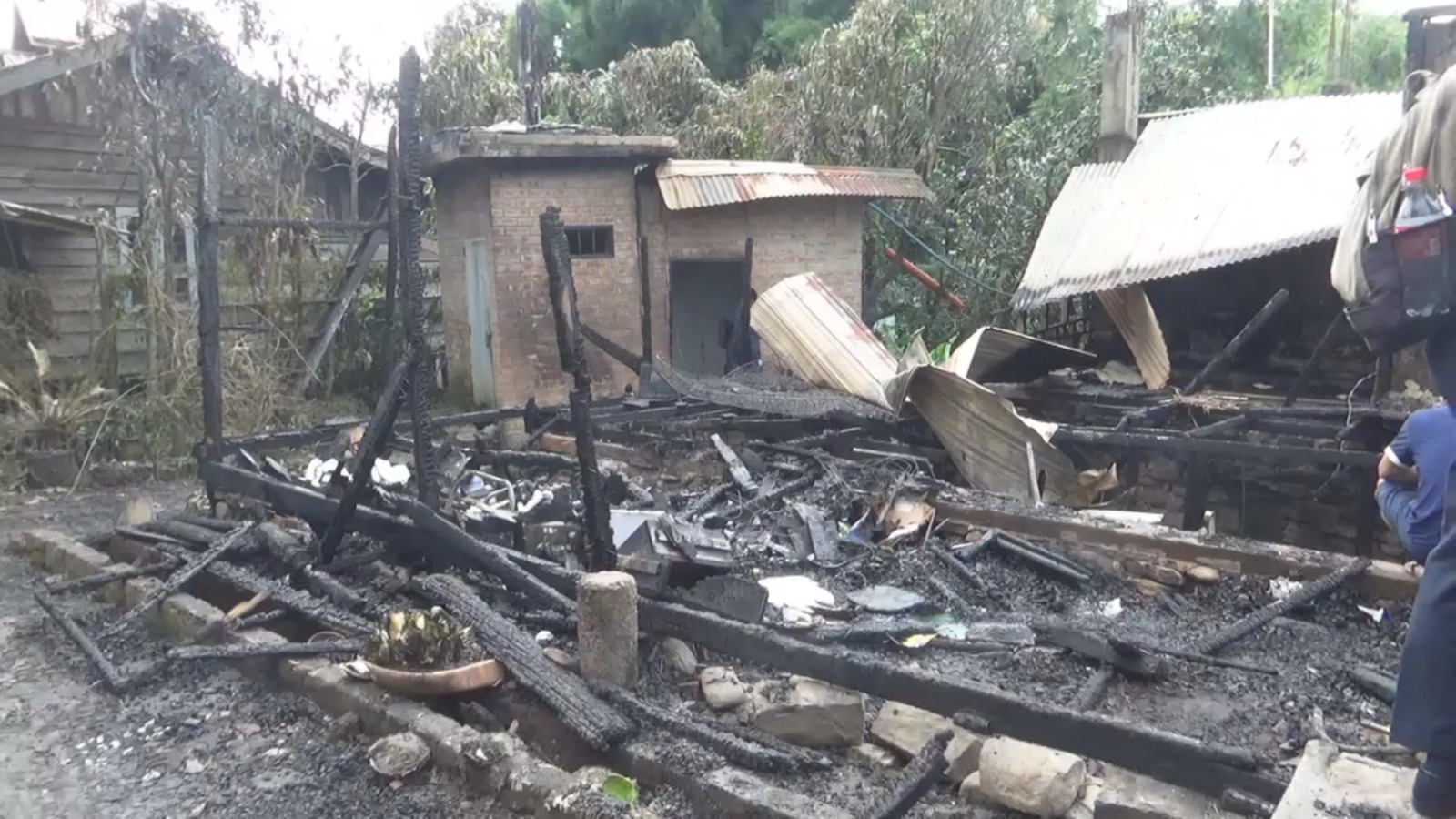
The unrest reached a troubling climax around 1:00 AM on September 14, when the residence of Khenthang alias Calvin, Secretary for External Affairs, KNO, was torched at Dorcas Veng, New Lamka.
The statement expressed deep embarrassment over the timing of these incidents, especially when the community continues to endure the trauma of ethnic violence and displacement, following the state-sponsored unrest in Imphal over two years ago. Thousands remain in relief camps awaiting resettlement, while political dialogues between the UPF-KNO and the Ministry of Home Affairs (MHA) are underway, aiming at long-term resolution and political safeguards for the Kuki-Zomi-Hmar people.
"At a time when unity and healing are imperative, it is disheartening that certain selfish actions have cast a shadow over what could have been a moment of collective dignity and progress," the statement read.
The UPF and KNO emphasized the need for self-introspection and reform, calling upon all citizens—especially the youth—to reject disruptive behaviour and work toward peace and reconciliation.
They concluded with a firm appeal: “Let us be part of the solution, not the problem.”