
India’s Role in the Kuki–Meitei Ethnic Conflict and the Risk of Naga Involvement
The ethnic violence between Kukis and Meiteis is not just a local issue; it reflects “India’s failure to implement timely, fair, and inclusive political solutions."
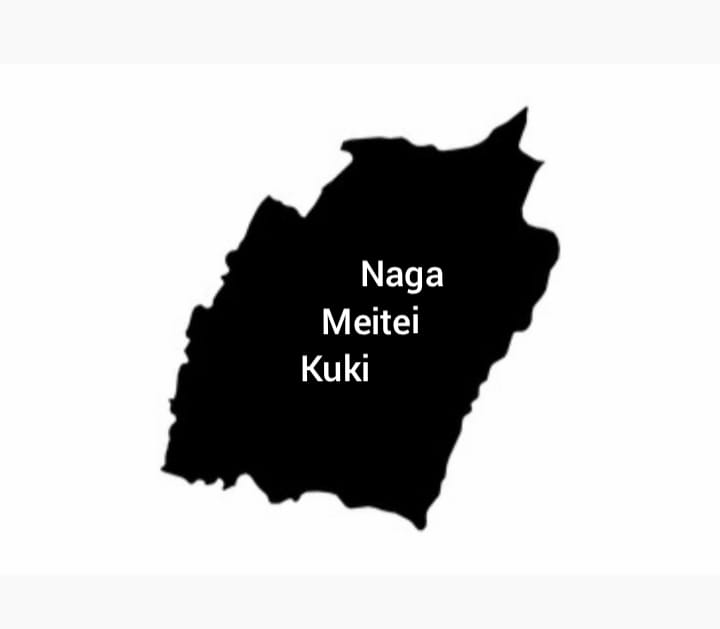
The ongoing ethnic violence between the Kuki and Meitei communities in Manipur has deep historical, political, and social roots. However, many observers argue that India’s “delayed and inconsistent political tactics” have worsened the situation, turning a local conflict into a prolonged humanitarian crisis.
India’s Responsibility
The Naga Factor
The Naga community, with its own history of conflict and peace processes with India, has largely stayed outside the Kuki–Meitei clashes. However, if Nagas are drawn into this conflict—whether through territorial disputes, alliances, or perceived threats—the situation could escalate into a tri-ethnic conflict with far-reaching consequences.
Possible Outcomes of Naga Involvement
The Way Forward: A Three-State Solution
Many political analysts and community leaders now argue that the “only sustainable path to peace” in the region is for India to reorganize Manipur into three separate states:
Such a reorganization would:
Conclusion
The ethnic violence between Kukis and Meiteis is not just a local issue; it reflects “India’s failure to implement timely, fair, and inclusive political solutions.” If Nagas are drawn into the conflict, it will expose the long-term dangers of India’s “delay tactics and reactive policies.” To prevent such escalation and to secure lasting peace, India must act decisively—by restructuring Manipur into three states, it can address historical grievances and lay the foundation for stability in the region.
(Views expressed are personal and does not necessarily reflect the views of THJ)



The Hills Journal
K. Salbung, Churachandpur
Manipur-795128