
March 5, 2026

India’s Role in the Kuki–Meitei Ethnic Conflict and the Risk of Naga Involvement

The ethnic violence between Kukis and Meiteis is not just a local issue; it reflects “India’s failure to implement timely, fair, and inclusive political solutions."
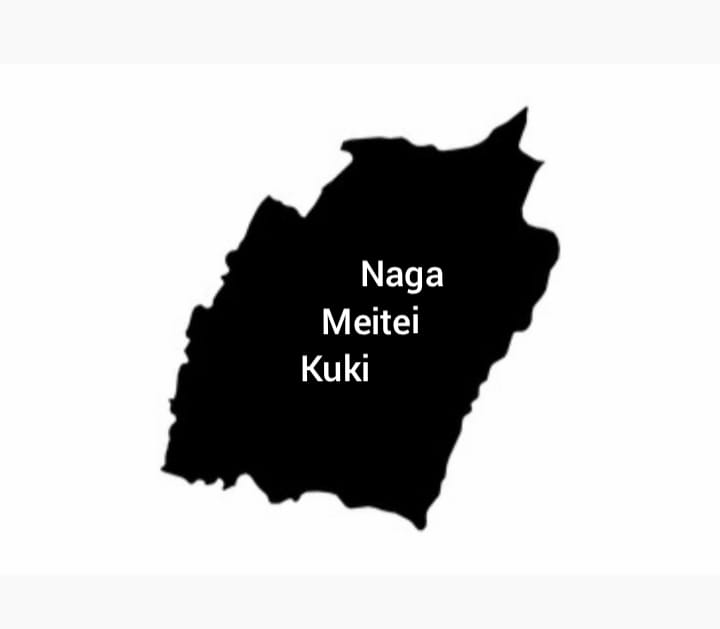
By Hoiboi Touthang — On January 20, 2026

The ongoing ethnic violence between the Kuki and Meitei communities in Manipur has deep historical, political, and social roots. However, many observers argue that India’s “delayed and inconsistent political tactics” have worsened the situation, turning a local conflict into a prolonged humanitarian crisis.

India’s Responsibility

  1. Delayed Intervention:
    The central government’s slow response to early signs of tension allowed mistrust to grow into open violence. Instead of proactive conflict resolution, authorities often reacted after casualties mounted, leading to accusations of negligence.
  2. Political Manipulation:
    By treating the conflict as a law-and-order issue rather than addressing its ethnic and historical dimensions, India has been accused of using the crisis for political advantage, deepening divisions between communities.
  3. Lack of Dialogue:
    A failure to initiate inclusive political dialogue with both Kukis and Meiteis has left grievances unaddressed, creating space for armed groups to dominate narratives.

The Naga Factor

The Naga community, with its own history of conflict and peace processes with India, has largely stayed outside the Kuki–Meitei clashes. However, if Nagas are drawn into this conflict—whether through territorial disputes, alliances, or perceived threats—the situation could escalate into a tri-ethnic conflict with far-reaching consequences.

Possible Outcomes of Naga Involvement

  1. Wider Regional Instability:
    Manipur could become a flashpoint for broader ethnic wars, destabilizing neighboring states like Nagaland and Assam.
  2. Breakdown of Peace Processes:
    Naga groups currently engaged in peace talks with India might harden their stance, viewing India’s handling of Manipur as evidence of bad faith.
  3. Humanitarian Crisis:
    With three major ethnic groups clashing, displacement, casualties, and human rights violations could rise dramatically.

The Way Forward: A Three-State Solution

Many political analysts and community leaders now argue that the “only sustainable path to peace” in the region is for India to reorganize Manipur into three separate states:

  1. A Meitei State in the Imphal Valley.
  2. A Kuki State in the hill areas predominantly inhabited by Kukis.
  3. A Naga State integrating Naga-dominated areas with Nagaland or granting them autonomy.

Such a reorganization would:

  1. Recognize the distinct identities and aspirations of each community.
  2. Reduce competition over land, resources, and political power.
  3. Provide a permanent political solution instead of temporary security measures.

Conclusion

The ethnic violence between Kukis and Meiteis is not just a local issue; it reflects “India’s failure to implement timely, fair, and inclusive political solutions.” If Nagas are drawn into the conflict, it will expose the long-term dangers of India’s “delay tactics and reactive policies.” To prevent such escalation and to secure lasting peace, India must act decisively—by restructuring Manipur into three states, it can address historical grievances and lay the foundation for stability in the region.

(Views expressed are personal and does not necessarily reflect the views of THJ)
You may also like...

A non-profit citizens watchdog of the media which believes in "public enlightenment" as the forerunner of justice and the foundation of democratic principles.
Read More

Contact Info

The Hills Journal
K. Salbung, Churachandpur
Manipur-795128

Copyright © 2026 The Hills Journal. All rights reserved.
crossmenuchevron-down linkedin facebook pinterest youtube rss twitter instagram facebook-blank rss-blank linkedin-blank pinterest youtube twitter instagram